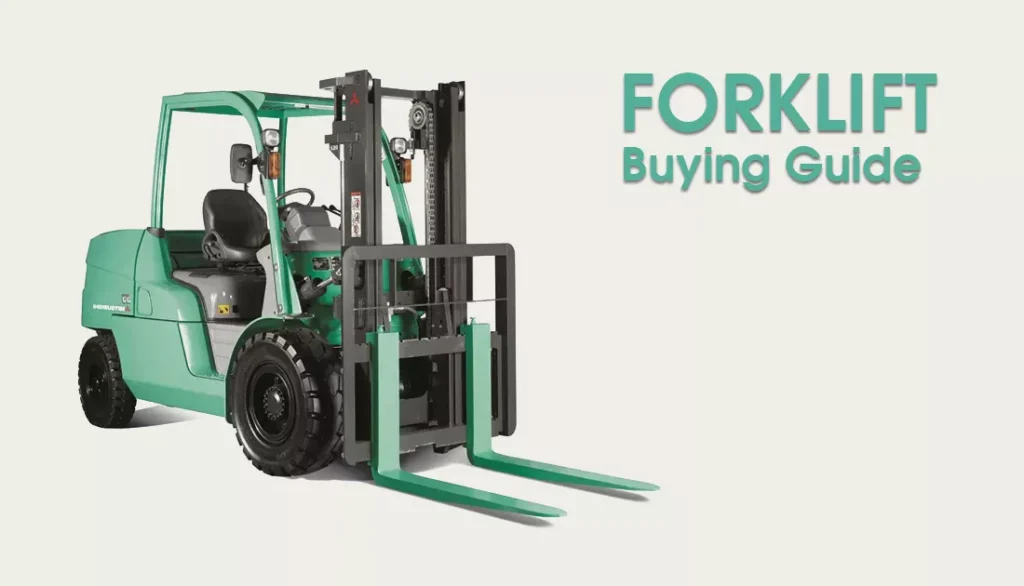
Leasing gives you access to the right material handling equipment, for the right duration, without heavy upfront investment. It’s ideal for businesses with fluctuating demand, seasonal peaks, project-based operations, or those who prefer predictable costs and operational flexibility.
Benefits of Leasing
- Lower upfront costs, healthier cash flow
Preserve capital for operations, inventory, and growth instead of tying it up in equipment ownership. - Fast access to equipment
Get the forklift you need quickly to meet urgent operational requirements (subject to availability). - Predictable monthly cost planning
Easier budgeting and forecasting, with fewer surprise ownership costs. - Flexibility to scale up or down
Add units during peak periods and off-hire when demand stabilises. - Reduced downtime risk
With service support and replacement options (where applicable), you keep operations moving. - Avoid resale and disposal uncertainties
No worries about depreciation, resale value, or disposal at end-of-life. - Try before you commit long-term
Short-term leasing lets you validate the right capacity, mast height, and fuel type for your site.
Types of Operating Lease
Operating leases are typically shorter-term arrangements where you use the equipment without taking ownership.
- Long-Term Lease (3–5 years)
Best for stable, ongoing operations that want cost predictability and planned fleet management.
- Suitable for warehouses, factories, and distribution centres with consistent usage
- Supports planned equipment standardisation across sites
- Short-Term Lease (less than 1 year)
Best for short projects, seasonal peaks, urgent replacements, or trial periods.
- Ideal for peak-season order fulfilment, temporary sites, or pilot operations
- Lets you right-size fleet needs before committing long term
- Sell & Leaseback
Convert your owned fleet into cash while keeping operations running.
- Goldbell purchases your existing fleet and leases it back to you
- Helps unlock capital, reduce ownership risk, and shift maintenance burden to a managed solution (scope varies by agreement)
How Leasing Works
- Consultation: Share application details (indoor/outdoor, load weight, lift height, aisle width, run hours).
- Recommendation: We propose the most suitable type (diesel/electric/LPG), capacity and attachments.
- Quotation: Lease term, payment structure, service support scope, and any replacement terms are confirmed.
- Delivery & onboarding: Equipment is delivered and basic handover is conducted.
- Support: Scheduled servicing and responsive support, depending on your package.
- End-of-lease options: Extend, upgrade, return, or restructure based on your next operational needs.
FAQs
- Do I need a licence to operate a forklift?
Yes. All forklifts except Reach Trucks require a licence to operate.
- What type of fuel is best for forklifts?
It depends on your work environment and operating needs.
| Type | Advantages | Considerations | Best for |
| Diesel | Lower fuel cost, strong performance | Emissions/noise; typically higher initial cost | Open areas, yards, outdoor operations |
| Gasoline/LPG | Lower initial cost, easier maintenance | Higher fuel cost | Indoor/outdoor mixed environments (with proper ventilation) |
| Electric | Low maintenance, low noise, less vibration | Higher initial cost; charging time | Indoor operations, food/clean environments |